
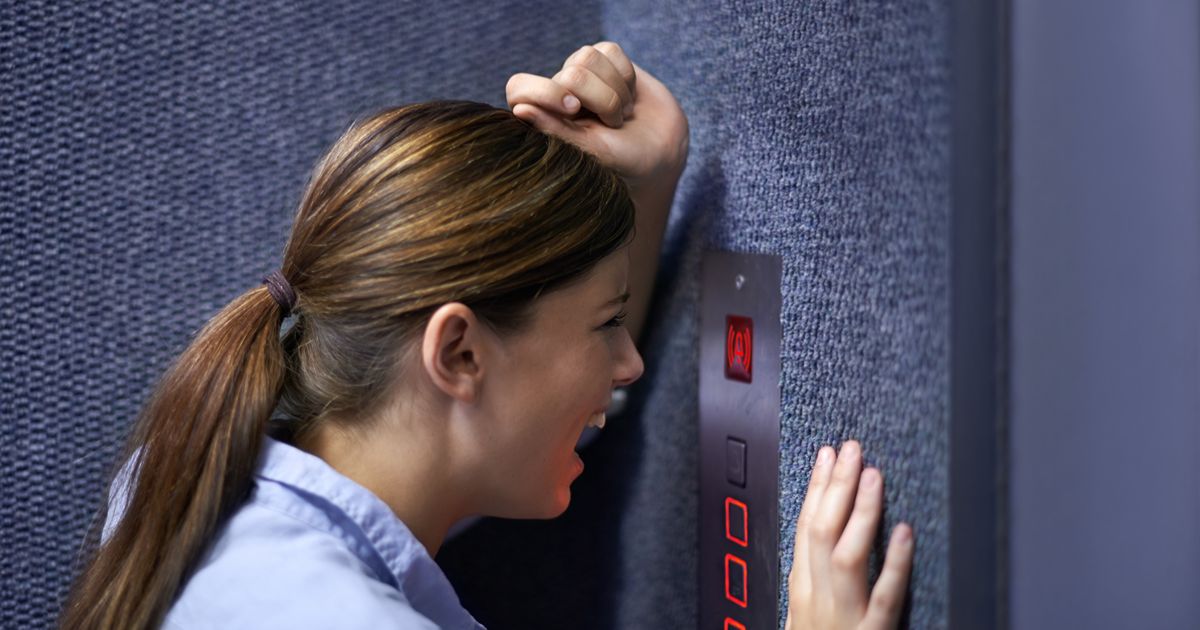
An elevator emergency in Miami means someone is trapped, hurt, or at risk right now, or the car is running in an unsafe condition.
Everything else is a service call, even when it feels urgent.
The difference decides who you call and what your building has to report afterward.
Emergency elevator repair in Miami also carries paperwork that a normal repair does not.
The Situations That Are Always Emergencies
Call for help immediately in any of these:
- A passenger is trapped in the car, at any floor, for any length of time
- Anyone inside reports chest pain, breathing trouble, panic, or any medical issue
- Smoke, burning smell, or fire anywhere in the hoistway or machine room
- Water pouring into the shaft or pit during a storm or a pipe break
- The car moves with the doors open, or the doors open between floors
- The car drops, jerks, or overspeeds during a run
- A landing door opens onto an empty shaft
That last one deserves attention. An open hoistway door with no car behind it is the most dangerous condition on this list.
Block the opening, keep people back, and get an emergency elevator repair technician in Miami on site before anything else.
If anyone trapped is in medical distress, call 911 first. Fire rescue often reaches a passenger faster than a service crew, and Miami crews train for it.
What Is Urgent but Not an Emergency
A car out of service with nobody inside is not an emergency. It is a fast service call.
The same goes for a car stuck at one floor with the doors open, a noisy ride, or one elevator down in a bank of four.
The distinction matters. Every provider triages, and when a building labels every stoppage an emergency, its real emergencies compete with its own routine calls.
Buildings with one car carry a harder version of this.
A single elevator down in a building with elderly or disabled residents quickly becomes an access problem, even though it is not a safety emergency.
Say that plainly when you call, because it changes priority on the elevator repair service board.
Our post on elevator out of service timelines covers what comes next.
What Trapped Passengers Should and Should Not Do
Stay in the car. That is the whole answer. The car is the safest place in the system, and almost every serious injury in an entrapment comes from someone trying to get out.
Tell passengers to press the alarm and use the emergency phone. The elevator code requires two-way communication that reaches live help at any hour.
Nobody should pry the doors, push through the ceiling hatch, or climb out of a car stopped between floors.
A car can move again without warning once power returns. Building staff should not attempt a rescue. Only trained elevator personnel or fire rescue should open a door on a stopped car.
Post emergency tips for occupants in your office and brief front desk staff yearly.
Panic in the cab drives most entrapments, and a calm voice on the intercom settles more of it than anything else.
Storm Season and Emergency Elevator Repair in Miami
Storm season changes the picture. Power loss, surges, and water intrusion trigger calls across the county at once, stretching every provider thin in the same hour.
Two rules cover most of it. Park cars on an upper floor with the doors closed before a major storm, so a flooded pit does not reach the equipment.
And never run a car that has taken on water until emergency elevator inspections clear it, even if it seems fine.
The Miami-Dade County Office of Elevator Safety publishes elevator guidance for before, during, and after a hurricane, and notes that the county always reviews emergency repair permits.
Plan for that inspection step. It is part of why storm repairs take longer than the fix itself.
What Your Building Has to Report Afterward
Reporting is where buildings get caught. Under Section 399.125 of the Florida Statutes, the certificate of operation holder must report any accident in or upon an elevator to the state division within 5 working days, on the division’s form.
A late report is a violation and may incur an administrative fine of up to $1,000.
Note where the duty sits. It falls on the certificate holder, which for a condo means the association.
Your service company does not file for you unless your contract says so. Check that today, not after an incident.
Keep your own record too: the date, the time, who was in the car, how long, who responded, and what was replaced.
That log supports the callback records your provider already keeps, and it is what an attorney, an insurer, or your next annual inspection will ask for.
For a legal reading of your association’s duty, ask your association counsel.
Set the Rule Before You Need It
Write a one-page rule for your staff: what gets a 911 call, what gets the 24/7 emergency repairs line, and what waits for the next visit.
Pair it with a solid maintenance program, so fewer calls reach the emergency tier.
FIJI Elevator answers at (888) 266-0042 around the clock across Miami-Dade, and we can walk your team through the plan before the next storm.