
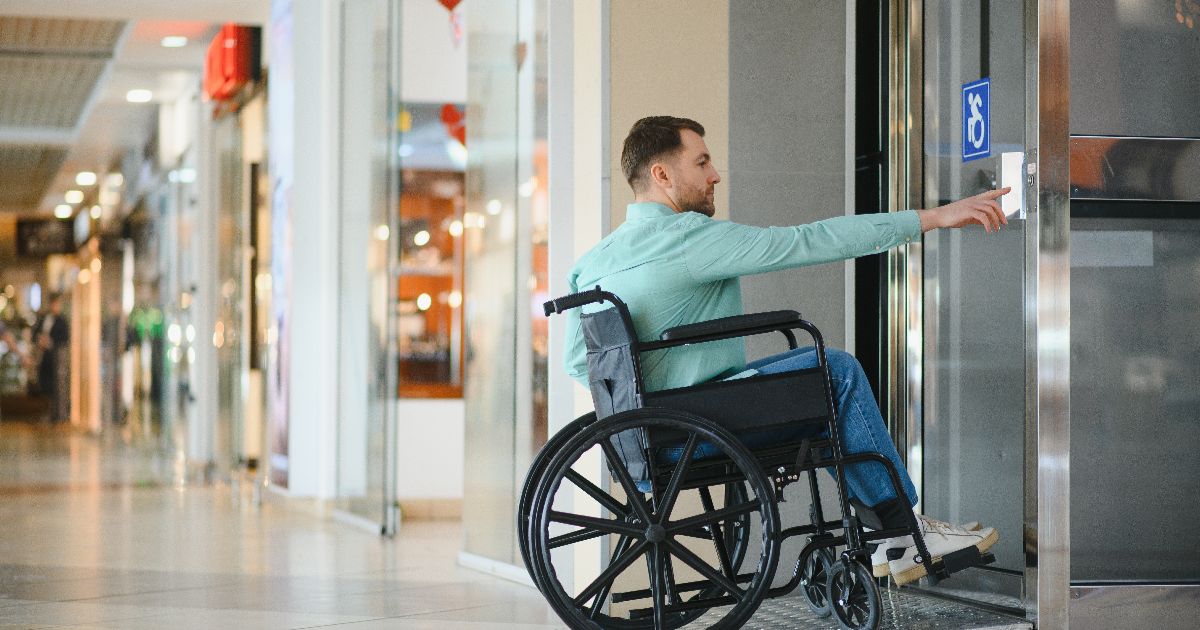
Handicap elevators in Boca Raton give people with limited mobility a safe, simple way to move between floors at home.
These lifts replace the struggle of stairs with a smooth, comfortable ride.
I’ve helped families pick the right one, and the choice is easier than most people expect.
What Are Handicap Elevators in Boca Raton?
Handicap elevators are home lifts designed to safely transport people with mobility needs between floors.
They fit wheelchairs, walkers, and seated riders, with wide doors and easy controls. The goal is simple: give people independence without the risk of stairs.
These elevators do more than add convenience. They keep people in the homes they love for years longer.
A good lift is a key part of improving building accessibility, and demand for them continues to grow across Florida.
If you want options built for the area, here’s a look at handicap elevators in Boca Raton.
Types of Handicap Elevators for Your Home
Three main types of home elevators fit most Boca Raton properties: hydraulic, traction, and pneumatic. Each one works differently and suits different homes and budgets.
Hydraulic Elevators
Hydraulic lifts use fluid pressure to raise and lower the cab. They run smoothly, carry heavy loads, and handle wheelchairs with ease. The trade-off is that they need a small machine room for the pump and tank.
Traction Elevators
Traction elevators use cables and a counterweight to move the cab. They use less energy and need less space than hydraulic models. Many homeowners like them for their quiet, even ride.
Pneumatic Elevators
Pneumatic lifts move the cab using air pressure inside a sealed tube. They take up little space and often skip the need for a pit or machine room. To see how they stack up, this overview of the best home elevators in South Florida is a helpful starting point.
Planning and Installing a Handicap Elevator
Good planning makes the install smooth and the lift safe to use. The two biggest factors are the space the elevator needs and the safety codes it must meet. Sorting both out early saves time and money.
Space and Layout
Every home elevator needs enough space for the cab, doors, and machine components. Some models need a pit or a small machine room, while others fit in a tight footprint. Before you buy, check how much space a home elevator needs so the layout works in your home.
A pro will visit your home and map the best spot. They look at floor strength, door swing, and wheelchair path. This step keeps the lift both usable and comfortable.
Safety and Codes
Handicap elevators must meet strict safety and accessibility rules. These cover door sensors, emergency phones, backup power, and smooth stops at floor level. Skipping any of these puts riders at risk.
Florida has its own permit and inspection steps for home lifts. A good contractor handles this paperwork and follows the elevator safety rules in Florida from start to finish. That keeps your lift legal, safe, and ready to pass inspection.
Making the Right Move for Your Home
A handicap elevator is one of the best ways to keep your home safe and easy to live in for years to come.
Match the type to your space and budget, follow the safety codes, and pick a licensed local pro you trust.
Reach out for an in-home assessment, and you’ll have a clear plan and price before you commit.