
28
Aug
What Counts as an Elevator Emergency in Miami?
An elevator emergency in Miami means someone is trapped, hurt, or at risk right now, or the car is running in an unsafe condition. Everything else is a service...

An elevator emergency in Miami means someone is trapped, hurt, or at risk right now, or the car is running in an unsafe condition. Everything else is a service...
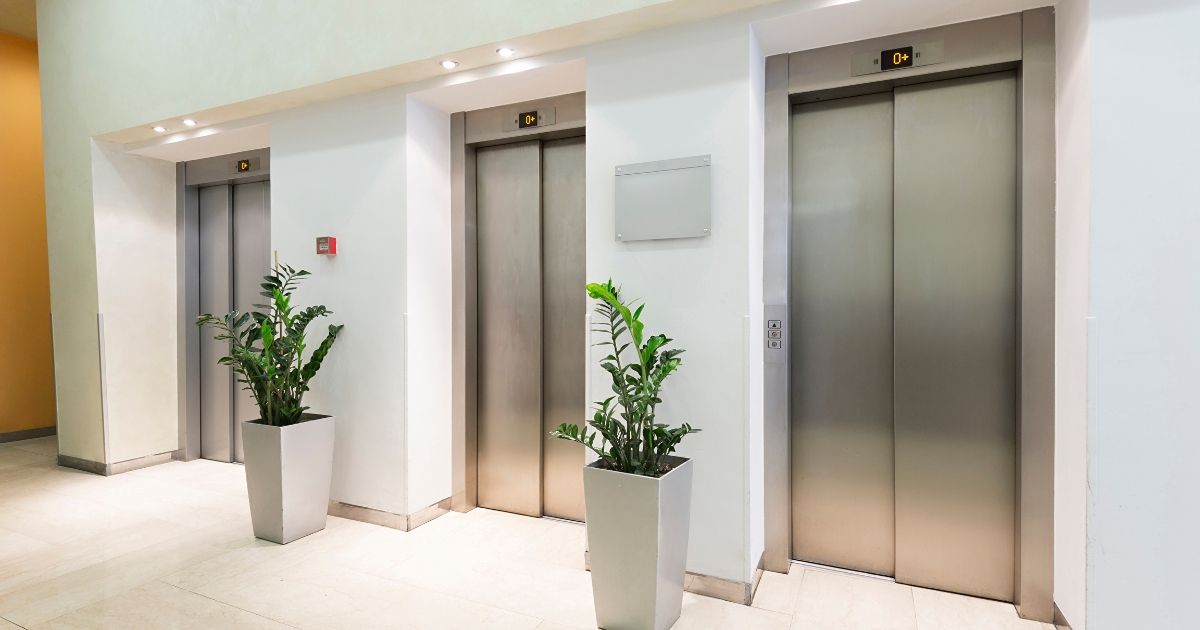
Miami elevators break down more in summer because heat, humidity, and storm season all hit the same equipment at once. Machine rooms run hot, hydraulic oil thins out, pits...

A real elevator maintenance checklist in Miami is not a generic list off the internet. It is a written program built for your specific car, posted in your machine...
How Do You Choose an Elevator Company in Miami for a High-Rise Condo? Start by matching the elevator company in Miami to the office that regulates your building, then...

Well-run Brickell towers keep elevator repairs quiet by taking one car out of a bank at a time, staging every part on site before the shutdown starts, and scheduling...
A failed elevator inspection does not automatically shut your building down. The inspector writes up coded violations, gives you a report, and starts a 90-day clock to correct them....
Florida law sets no fixed day count for how long an elevator out of service can stay down. No statute says a Miami building must have the car running...
Elevator monitoring cuts downtime by catching small problems before they shut a car down. Sensors track door cycles, motor temperature, ride quality, and fault codes in real time. That...

Handicap elevators in Boca Raton give people with limited mobility a safe, simple way to move between floors at home. These lifts replace the struggle of stairs with a...

The best elevator repair services for Brickell buildings respond fast, know high-rise systems, and fix the problem right the first time. Brickell’s towers run their elevators hard, so a...
Recent Comments